Dejavu
Your tabs, right where you left them. Workspaces, containers and split view.
Version: 2.3.4
Added: 27-10-2026
Updated: 27-10-2026
Added: 27-10-2026
Updated: 27-10-2026
Dejavu is a web browser for Android built on Mozilla's Gecko engine, the same
engine Firefox uses. It keeps the same page rendering, add-ons and Mozilla account
sync, and replaces the way tabs are organised with something quieter.
Dejavu is an independent project. It is not made, endorsed or supported by
Mozilla. Firefox is a trademark of the Mozilla Foundation in the U.S. and other
countries.
Instead of one long list of tabs, Dejavu gives you:
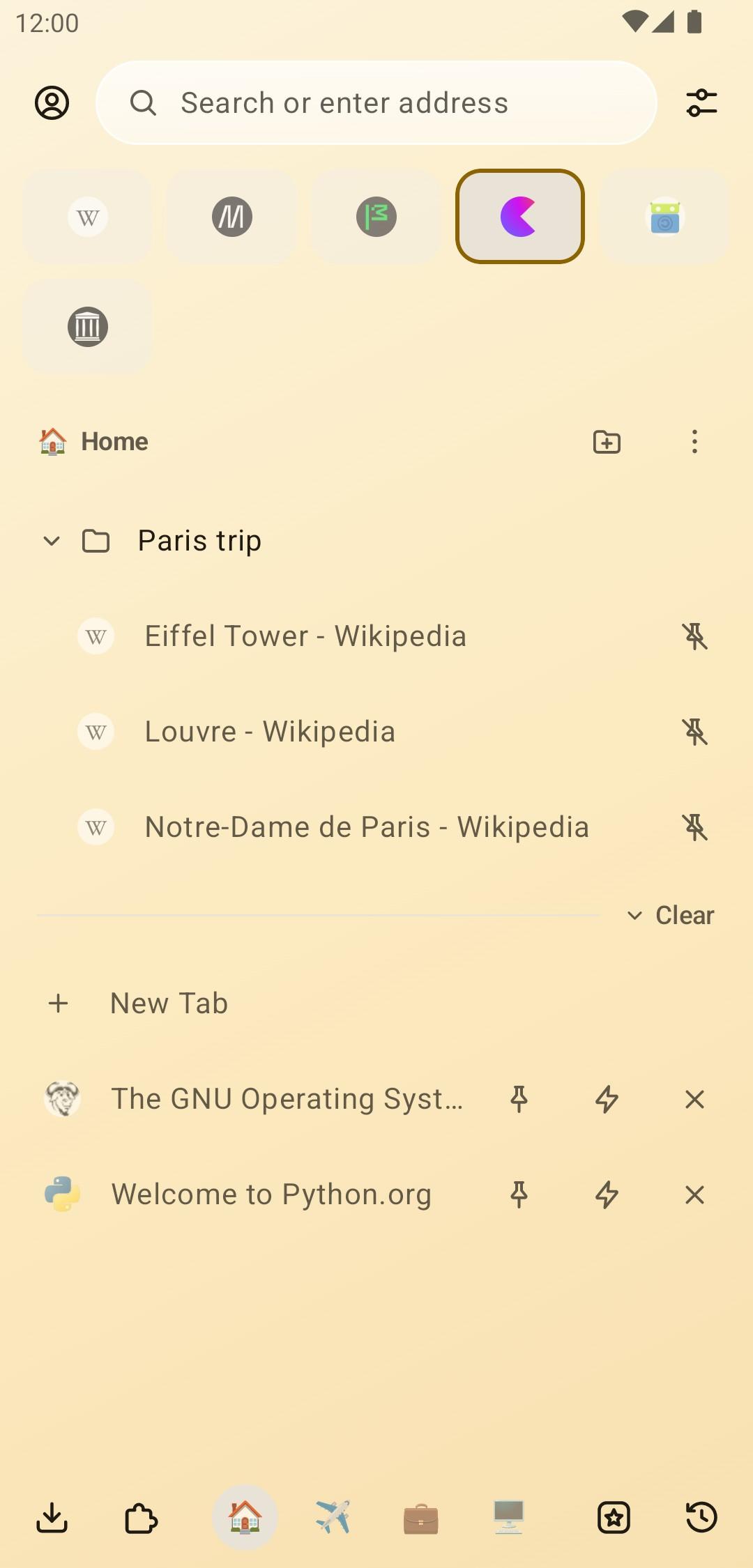
* Workspaces - separate sets of tabs for separate parts of your life, each with
its own colour theme and icon.
* Containers - keep sites signed in to different accounts apart, per workspace.
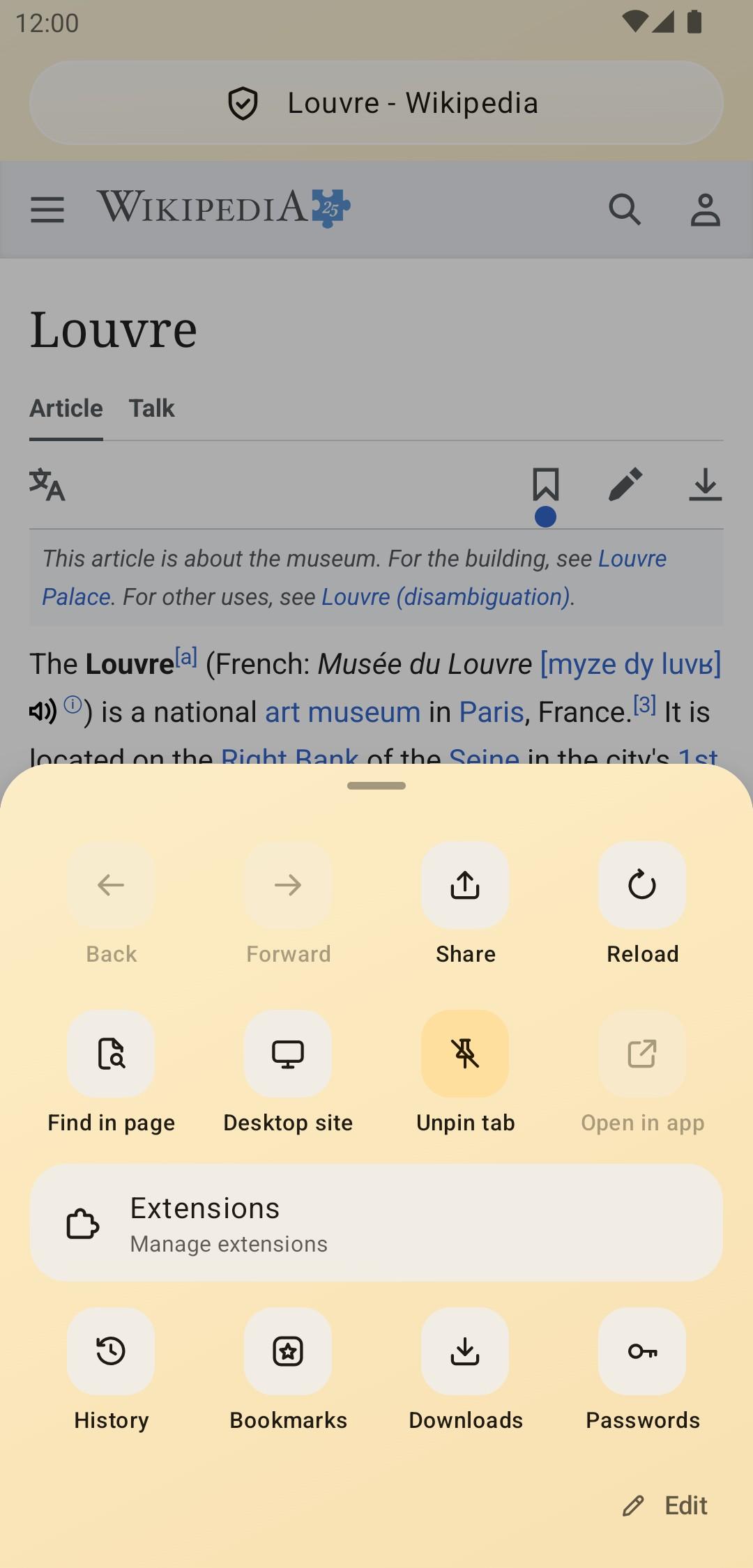
* Pinned tabs and essentials - the pages you always want open, always in reach.
* Folders - group tabs inside a workspace and collapse them out of the way.
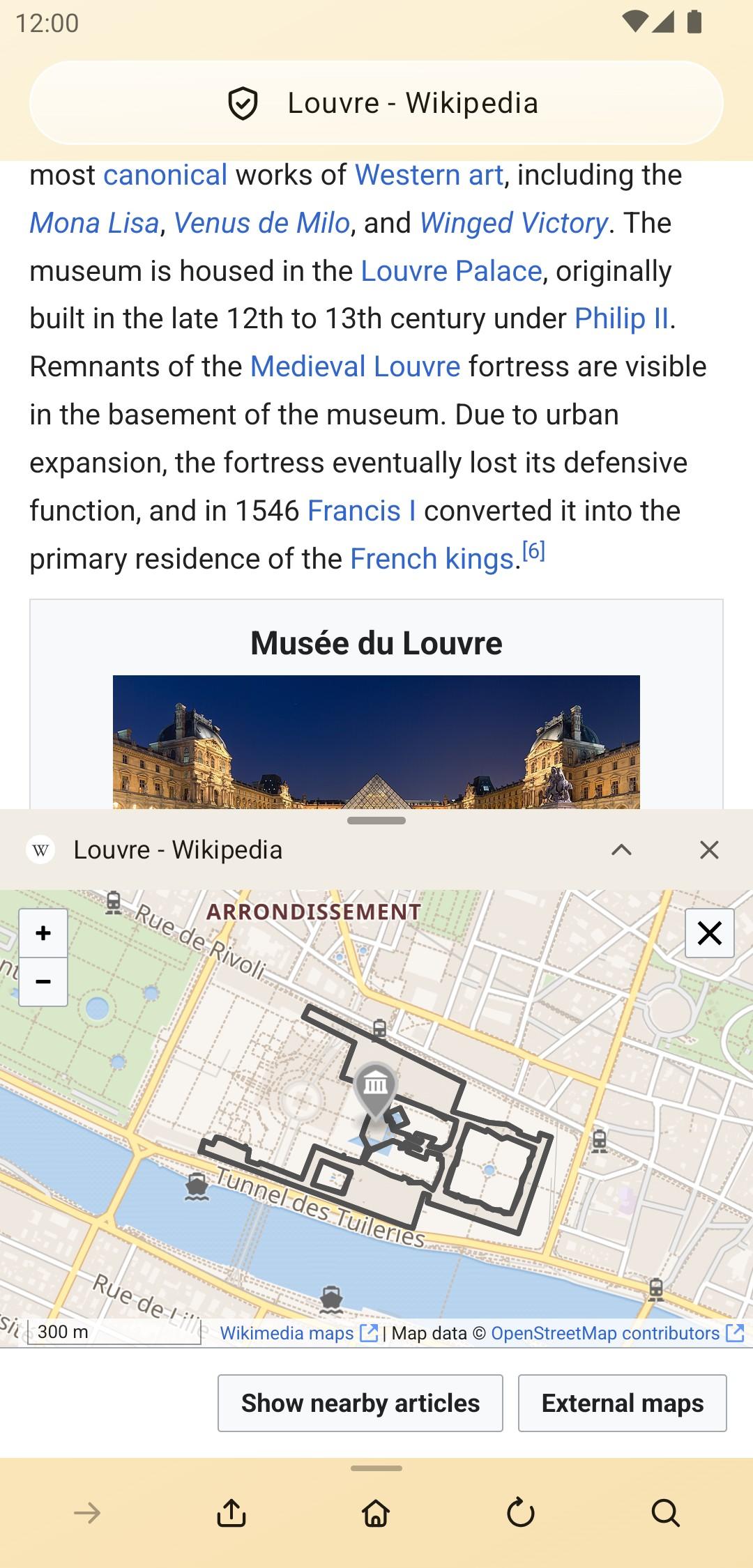
* Split view - two pages side by side.
* A single bottom bar with every action, and an address field that stays out of
the way at the top.
Sync: Dejavu signs in with your Mozilla account and syncs workspaces, pinned
tabs, essentials, folders and containers with Zen Browser on the desktop. Or it
follows Firefox: each of your computers and phones with Firefox gets its own
workspace, with its pinned tabs and tab groups, and opening or closing a tab
there does the same in Firefox. Bookmarks, history and passwords sync too.
Private by default: Dejavu sends no telemetry or crash reports, shows no
sponsored content, and search suggestions are off from the first launch.
Dejavu is free software under the Mozilla Public License 2.0. Its source code is
at https://github.com/by-architect/Dejavu
engine Firefox uses. It keeps the same page rendering, add-ons and Mozilla account
sync, and replaces the way tabs are organised with something quieter.
Dejavu is an independent project. It is not made, endorsed or supported by
Mozilla. Firefox is a trademark of the Mozilla Foundation in the U.S. and other
countries.
Instead of one long list of tabs, Dejavu gives you:
* Workspaces - separate sets of tabs for separate parts of your life, each with
its own colour theme and icon.
* Containers - keep sites signed in to different accounts apart, per workspace.
* Pinned tabs and essentials - the pages you always want open, always in reach.
* Folders - group tabs inside a workspace and collapse them out of the way.
* Split view - two pages side by side.
* A single bottom bar with every action, and an address field that stays out of
the way at the top.
Sync: Dejavu signs in with your Mozilla account and syncs workspaces, pinned
tabs, essentials, folders and containers with Zen Browser on the desktop. Or it
follows Firefox: each of your computers and phones with Firefox gets its own
workspace, with its pinned tabs and tab groups, and opening or closing a tab
there does the same in Firefox. Bookmarks, history and passwords sync too.
Private by default: Dejavu sends no telemetry or crash reports, shows no
sponsored content, and search suggestions are off from the first launch.
Dejavu is free software under the Mozilla Public License 2.0. Its source code is
at https://github.com/by-architect/Dejavu